How to Raise a Sensory Smart Kid: 12 Daily Habits That Actually Work (2026)
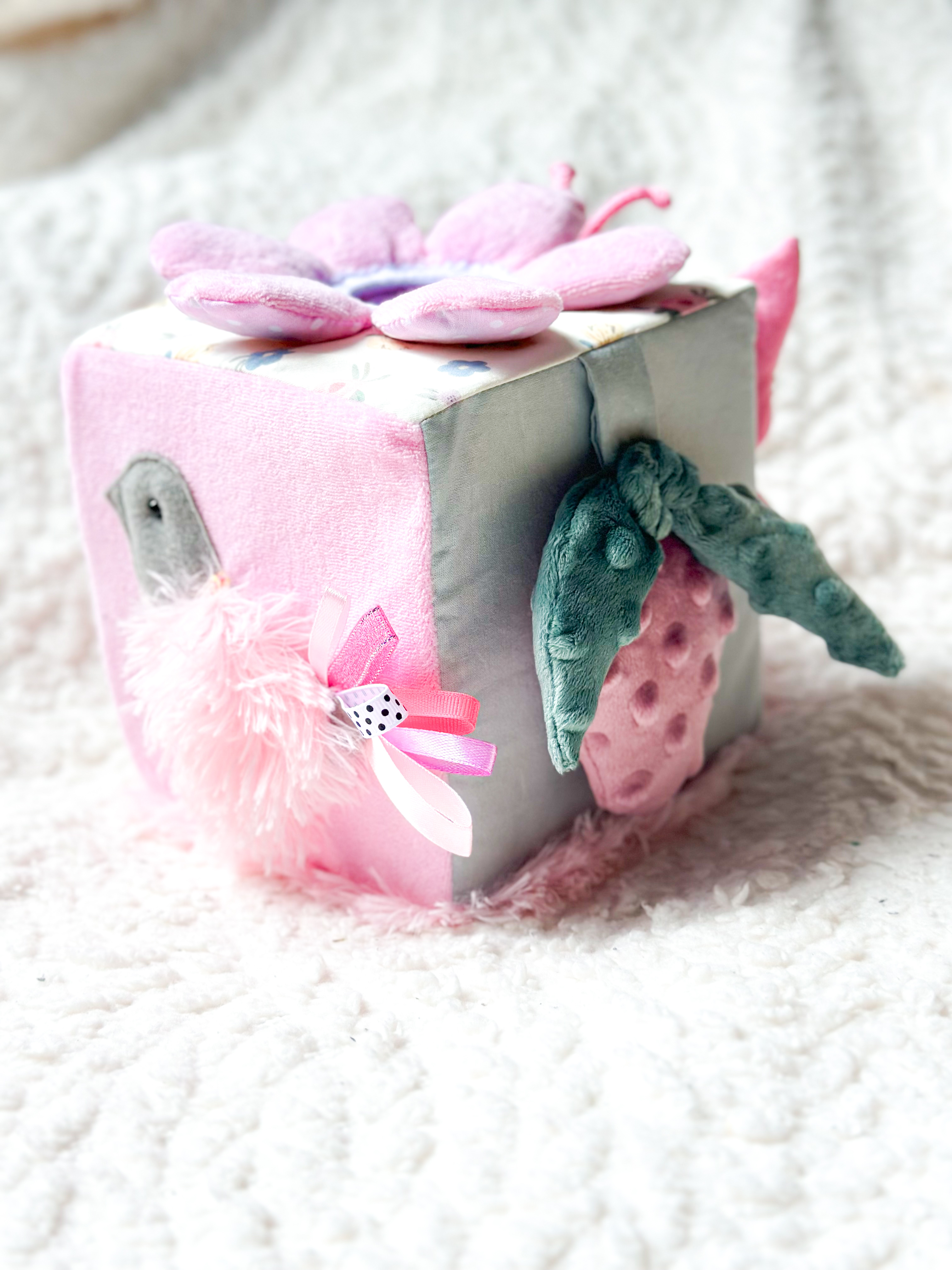
"Sensory smart kid." It's a phrase you see everywhere — on social media, in parenting books, on the labels of toys that cost as much as your weekly groceries. But what does it actually mean? And more importantly: how do you raise one without buying every toy on Instagram?
As a mom of two, I've spent years figuring out what actually works versus what just looks good in a curated nursery photo. Here's the honest answer: raising a sensory smart kid is less about toys and more about everyday habits. The good news — most of these habits are free.
First — What Does "Sensory Smart" Even Mean?
A "sensory smart" child is one who's comfortable in their own body, curious about textures and sounds, and engaged with the world around them rather than overwhelmed by it. They notice details. They focus longer. They handle new sensations — wet grass, loud restaurants, sticky hands — without melting down.
This doesn't happen by accident, and it doesn't require a $400 Montessori shelf. It happens through small, daily choices about how your child experiences the world.
The Setup Matters More Than the Toys
Before we get to the habits — one truth. The single biggest influence on whether a child becomes sensory-engaged isn't the toys you buy. It's the environment you set up. A baby with three thoughtful textures and a slow-paced parent will be more engaged than a baby with thirty toys and a phone-distracted one.
Now — the 12 habits.
12 Daily Habits That Raise a Sensory Smart Kid
1. Let Them Walk Barefoot (as Much as Reasonably Possible)
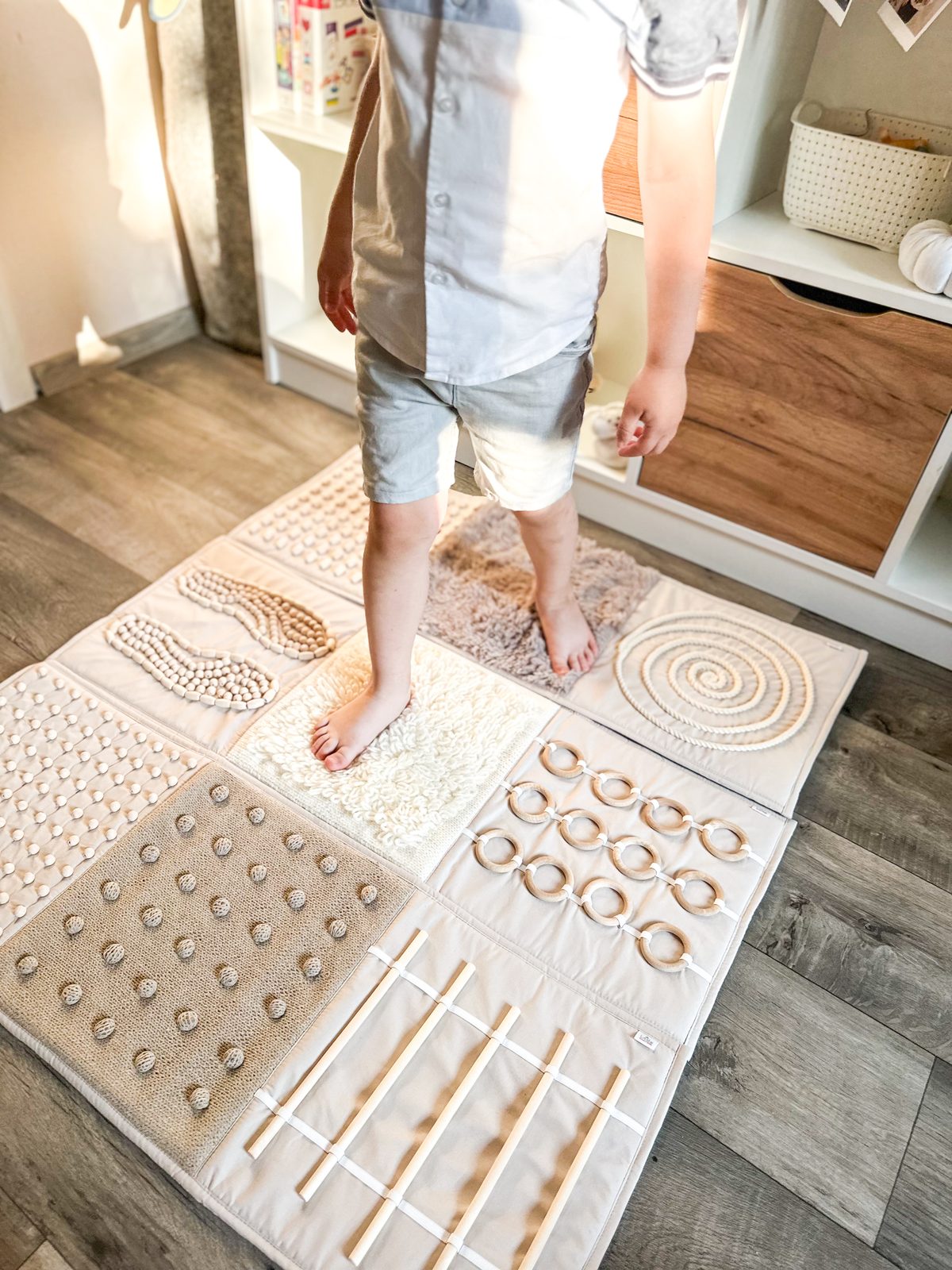
Shoes are a sensory dampener. Barefoot kids feel the surface under them — soft carpet, smooth wood, cold tile, warm grass. That feedback is constant, free input that helps little ones tune into their bodies. Indoors, let toes be free. Outdoors when safe, kick off the shoes.
2. Surround Them with Texture Variety
Most modern homes are texturally boring — plastic, vinyl, smooth surfaces. Counter this with intentional texture. A handmade sensory mat with cotton, crinkle, ribbons, and wooden pieces gives more variety in one square meter than most homes offer in a whole room.
3. Read Aloud Every Single Day
Reading isn't just literacy — it's sensory layering. The sound of your voice, the visual of the page, the tactile of small hands turning pages. Even five minutes a day builds attention span and vocabulary. Start from week one, even when they can't "follow" the story.
4. Take Slow Walks Outside
Not "exercise walks." Toddler-paced walks. The kind where you crouch down to look at a bug. Where you let them touch a leaf, a fence, a smooth stone. Where you don't push to "keep moving." These walks are slow and beautiful, and they're how kids learn to notice the world.
5. Include Them in Real-Life Tasks
Sorting laundry. Stirring batter. Wiping the table. Watering plants. Real tasks have real textures, real cause-and-effect, real purpose. Toddlers find them far more engaging than pretend versions. Yes, it takes longer. Yes, it's worth it.
6. Choose Open-Ended Toys Over Battery-Operated Ones
The toy that flashes lights and sings songs does the playing for the child. The toy that just sits there — wooden blocks, a felt busy board, a quiet book — requires the child to bring the play themselves. The second kind builds focus. The first kind erodes it.
7. Build in Quiet Time Alone
Even babies benefit from being placed on a soft mat with a few interesting objects and left alone. Not ignored — nearby. But not entertained. This is where independent play is born. Start with 2-3 minutes a day at 6 months. Build to 15-20 by 18 months.
8. Expose Them to Music — Real Music
Not just nursery rhymes. Classical. Folk. Jazz. World music. Each genre has different patterns of sound that the developing ear tunes into. Play music during meals, during play, while you clean. Make it part of the background rhythm of home.
9. Cook Together (Even Messy)
The kitchen is the richest sensory environment in your home. Steam, smells, textures, temperatures, sounds. Let toddlers help — wash vegetables, stir batter, smell spices. Yes, you'll clean more. But this is where lifelong curiosity about food (and patience for waiting) is built.
10. Water Play, Whenever Possible
The bath. The kitchen sink. A small bowl in the backyard. Water is mesmerizing for babies and toddlers — temperature, weight, splash, ripples. It can entertain a 2-year-old for 30+ minutes. Cheaper than any toy.
11. Spend Time in Nature
Pine cones. Sand. Pebbles. Grass. Even a small patch of green nearby offers more sensory variety than a whole toy store. Make outside time non-negotiable, even if it's just 15 minutes. Different weather is part of the lesson — wind, sun, light rain.
12. Make Eye Contact and Talk to Them — A Lot
Narrate what you're doing. Ask questions even when they can't answer. Make eye contact during feedings. Babies whose parents talk to them often start with bigger vocabularies, longer attention spans, and stronger sense of being "seen." This is free, requires no toys, and matters more than almost anything else on this list.
What NOT to Do
Just as important — habits that work against a curious, engaged child:
- Screens during meals. Mealtime is sensory-rich. Don't replace it with a tablet.
- Over-scheduling. Toddlers need long stretches of nothing to fill creatively. A packed schedule kills curiosity.
- Too many toys out at once. Rotate. 5-7 toys visible at a time. Store the rest. Switch every 2 weeks.
- Loud, constant background noise. The brain tunes out what's constant. Quiet stretches matter as much as music.
- Rescuing them from every frustration. Frustration is part of figuring things out. Sit with them, don't take over.
The Real Secret: Slow Down
If you read all of the above and think "that's a lot to do" — you're missing it. Most of these habits are about doing less. Less rushing. Less narrating "good job." Less filling every moment with input. More just being together while life happens.
The sensory smart kid isn't built through enrichment activities. They're built through everyday moments, attended to with care — by a parent who's present, not perfect.
Where Toys Fit In
So if it's not about toys, why am I — a person who sells handmade sensory toys — telling you this? Because the right toys multiply what these habits already start. A thoughtfully designed sensory mat or quiet book doesn't replace your presence — it makes the moments when you can't be in arm's reach more engaging, more meaningful.
Our handmade sensory toys are made with this philosophy in mind: simple, beautiful, open-ended. They invite play rather than perform it. They're tools, not entertainment.
Looking for handmade sensory toys that support these habits? Browse our collection at Little Smart Kids. Each piece is crafted by Karyna and her mom in our small family workshop.