The Slow-Made Movement: Why US Families Are Choosing Handcrafted Baby Toys
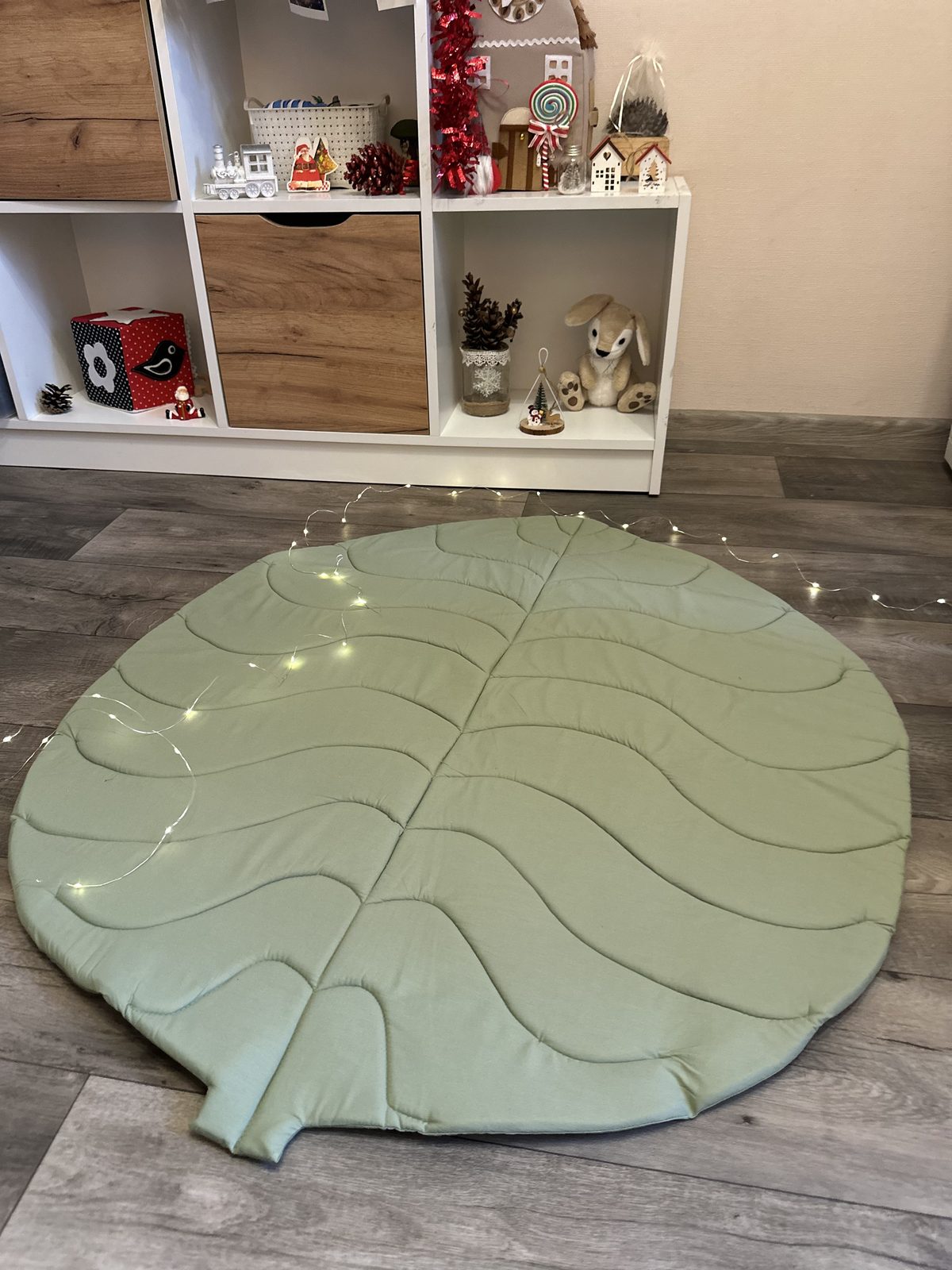
You've seen the term everywhere: slow-made. It used to be reserved for artisan bread and farmer's market pottery. But in 2026, it's quietly reshaping how American families shop for their babies — and the impact on big-box baby stores is beginning to show.
This isn't a passing aesthetic trend on Instagram. It's a real shift in how thoughtful parents define value, quality, and what belongs in their child's hands during the most formative years.
What "Slow-Made" Actually Means
Slow-made is the opposite of mass production. It means a single human (or a small team) sits down with raw materials and shapes a finished piece over hours or days, not seconds. The process can't be fully automated. The maker is accountable for every stitch.
For a baby play mat, slow-made typically looks like this:
- Two full days of hand-stitching per piece
- One pair of hands from start to finish (or sometimes two, working together)
- Materials chosen individually — not bulk-sourced from the cheapest supplier
- Quality inspected by the maker, not by a sampling robot
- Built to last for multiple babies, not designed to fail at 18 months
Compare that to factory toys: minutes on an assembly line, multiple anonymous hands, bulk-bought synthetic fabrics, quality checked by sampling. The difference isn't subtle — it's structural.
Why American Families Are Switching
1. Disposable Toy Fatigue
Many American parents are exhausted by the disposable economy. They buy a plastic toy in March, it breaks in June, ends up in a landfill by September. Multiply that across 30+ toys in a typical nursery, and the waste — financial and environmental — adds up fast.
Slow-made handcrafted toys flip that model. A $200 handmade mat that lasts through three children costs less per use than $40 plastic mats replaced annually.
2. The Story Behind the Object
Big-box baby toys are anonymous. They come from a factory you'll never see, made by workers you'll never meet, designed by a marketing team in a city you'll never visit.
A slow-made toy comes with a story: this was made by Karyna and her mom, in a small home workshop, over two days. That story matters to the parent — and one day, it will matter to the child, too.
3. Real Quality (Not Marketing Quality)
"Premium," "luxury," "high-quality" — these words appear on every baby product label. Slow-made handcrafted toys don't need the labels. The quality is in the visible stitching, the weight of the cotton, the smooth wooden ring without splinters.
You can feel it the moment you unwrap the package. There's no marketing language that compensates for poor construction.
4. Aesthetic Coherence
Mass-produced baby toys are designed in primary colors to maximize shelf appeal in big-box stores. Slow-made toys are typically designed in neutral, earthy palettes that complement a modern home.
This matters more than people admit. You spend more time in your nursery than your baby does in their first year. The aesthetic affects you daily.
5. Conscious Consumption
The American parent of 2026 thinks more about where things come from than the parent of 2010 did. Slow-made fits a worldview where consumption is intentional: fewer things, chosen carefully, lasting longer.
7 Marks of True Handcrafted Quality
Not every "handmade" claim is real. Some big-box brands use the word loosely while actually mass-producing. Here's what to look for:
1. The Maker Is Named
Real handmade pieces come from a real person. If the brand can name the maker (and their workshop), that's a strong signal. If it's just a brand name with no human story, ask questions.
2. Time-Per-Piece Is Disclosed
True handcrafted brands typically state how long each piece takes to make — 2 days, 6-8 hours, 8 days. A claim of "handmade" without time disclosure is often marketing language.
3. Limited Quantity
A handmaker can't produce 10,000 units a month. If a "handmade" brand has unlimited stock and same-day shipping on bulk orders, it's probably outsourced manufacturing.
4. Materials Are Specific
Real handcrafters know exactly what's in their products. They can tell you: "100% cotton from this supplier, holofiber filling, smooth wooden ring." Vague claims like "natural materials" should prompt follow-up questions.
5. Visible Hand Stitching
Look at the seams in product photos. Hand-stitching has slight imperfection — perfectly even machine stitches usually mean factory production. The slight irregularity is the signature of human hands.
6. The Maker Engages
Real handcrafters respond to customer questions personally. They post photos of their workshop. They share the process. If you message them, a human responds — not a customer service template.
7. Reviews Mention the Maker
Read reviews. If customers mention the maker by name and share details about their experience, that's genuine. Anonymous five-star reviews on a brand-name product mean less.
The Cost-Per-Use Math
Slow-made toys cost more upfront. That's the most common objection. But the math often surprises American moms when they actually do it.
Example comparison:
- Big-box plastic play mat: $40, lasts 12 months, replaced before the next baby. Cost-per-month: $3.33. Cost across 3 children: $120.
- Slow-made handcrafted mat: $200, lasts through 3 babies, looks beautiful enough to display as nursery decor at 2 years old. Cost across 3 children: $200. Cost-per-month over 6 years: $2.78.
The slow-made option is actually cheaper across a typical family — and dramatically less wasteful environmentally.
How to Start: Your First Handcrafted Piece
You don't need to convert your entire nursery to slow-made overnight. Most American moms make the shift gradually.
Start with one anchor piece that will stay with your baby through multiple stages — typically a play mat. Choose a maker whose story resonates with you. Pay attention to how the piece arrives (packaging, included notes, the feel of the materials). Compare it side-by-side with a plastic toy from your existing collection.
Most parents who try slow-made baby pieces never go back to big-box. The difference, once experienced, is hard to unsee.
The Bottom Line
The slow-made movement isn't about being precious or expensive. It's about reclaiming intentionality in a category that big retail has made disposable. American families are asking better questions: Who made this? How long did it take? Will it last? Does it have a story?
For babies in 2026, the answer increasingly is: handcrafted, by a real person, over real time, made to last. The movement is small, but it's growing — one mom-curated nursery at a time.
Every piece in our collection is handcrafted by Karyna and her mom — 2 full days of work per piece, named maker, fully traceable materials. Browse the slow-made collection and feel the difference.